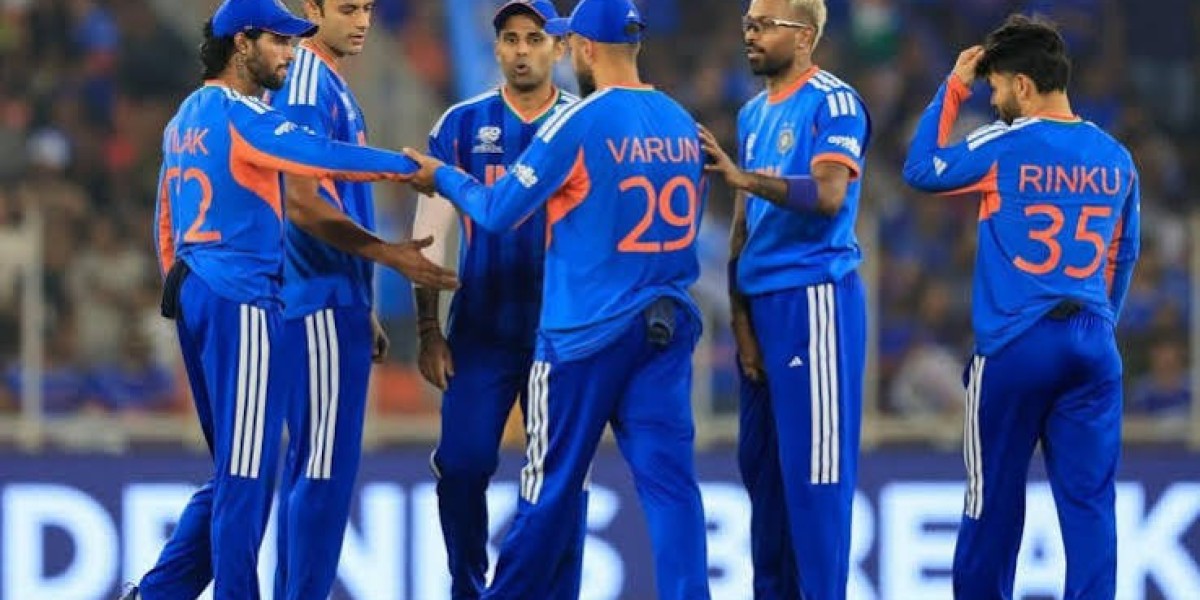

Behind almost every professional cricketer stands a player agent. The agent handles contracts, talks to clubs and sponsors, and helps the player make good career choices. The cricket player agent business is the work of representing players in a professional and organized way so the player can focus on the game while the business side is handled by someone they trust. This guide explains how the cricket player agent business works in simple terms, from the first meeting with a player to signing a contract, negotiating a deal, and managing a long career.
Most fans only see the player on the field. They rarely see the agent who arranged the contract and planned the next step. This guide will help new fans understand the idea, including how agents earn money and what makes a good agent.
What Is the Cricket Player Agent Business?
The cricket player agent business means acting as a professional representative for cricketers. The agent works for the player, not for the club or the sponsor. The agent's job is to protect the player's interests, find good opportunities, and make sure every agreement is fair. In simple terms, the agent is the player's business partner off the field.
An agent usually works with several players at different stages of their careers, from young players just starting out to experienced players looking for their next contract. The agent gives each player honest advice about money, timing, and career choices. A good agent never pushes a player into a deal that does not suit them.
When researching cricket-related audiences and online interests, agents and marketing teams may come across search terms such as Cricbet99 cricket ID. Understanding these search trends can help explain the wider digital cricket audience, although they are separate from the agent's core responsibility of representing players.
What Does a Player Agent Do Every Day?
A player agent's day is a mix of calls, meetings, and paperwork. The agent speaks to team managers about contracts, talks to brands about sponsorship, and answers questions from players and their families. The agent also keeps track of deadlines, so no offer is missed and no contract runs out without a plan.
Much of the work is quiet and careful. The agent reads contracts line by line, checks payment terms, and makes sure the player understands every clause. When a player is injured or out of form, the agent gives steady support and helps plan the way back.
How the Cricket Player Agent Business Earns Money
The cricket player agent business usually earns money through a fee agreed with the player. The most common arrangement is a percentage of the player's earnings from contracts arranged by the agent. The exact percentage is agreed in writing before any work starts, so both sides know what to expect.
Agents may also earn a fee for arranging sponsorship deals or personal appearances. The fee is normally a share of the money the player receives from that deal. An honest agent explains every fee clearly and gives the player a written record of all payments.
Some cricket audiences also search for terms like Kingexch when exploring online cricket-related platforms. Such search interest may be useful for understanding the digital environment, but it should not influence an agent's advice about a player's contracts or career decisions.
Contracts in the Cricket Player Agent Business
Contracts are the heart of the cricket player agent business. A playing contract sets out how much a player will be paid, how long the deal lasts, and what the player is expected to do. It also covers training, travel, media duties, and what happens if a player is injured.
The agent's first job is to read the contract carefully and explain it to the player in plain language. The agent checks the payment schedule, the length of the deal, and any clauses that could cause trouble later. If something is unclear or unfair, the agent asks for changes before the player signs.
Negotiation in the Cricket Player Agent Business
Negotiation is the skill of reaching an agreement that works for both sides. In the cricket player agent business, negotiation usually happens when a club offers a player a contract or a brand offers a sponsorship deal. The agent presents the player's value clearly, using their skills, experience, and public profile as evidence.
A good negotiator listens as much as they speak. The agent learns what the club or brand needs, then finds a fair middle ground. Sometimes that means a higher fee, and sometimes it means better conditions.
For professionals studying cricket-related online searches, Cricbet99 cricket ID may appear as a keyword in audience research. It is important to distinguish general search trends from the professional services an agent provides, such as contract review, sponsorship discussions, and career planning.
Managing Players in the Cricket Player Agent Business
Managing players in the cricket player agent business means looking after the whole career, not just one contract. The agent helps the player plan for the future, including saving money, choosing good sponsors, and preparing for life after playing. A thoughtful agent reminds the player that a playing career is short and that planning matters.
The agent also helps the player handle pressure. Public attention, criticism, and selection decisions can be hard to deal with alone. The agent gives honest advice and keeps the player focused. Trust is the most important part of this work, and it is built slowly through honest behavior.
Step-by-Step Guide to the Cricket Player Agent Business
Step 1: Meet the Player and Listen
The agent meets the player and their family, listens to their goals, and learns about their career so far. This first meeting shows whether the two sides can work together well.
Step 2: Agree the Terms in Writing
The agent and the player sign a simple written agreement that sets out the services, the fees, and how long the arrangement lasts. Everything is clear before work begins.
Step 3: Review Every Contract Carefully
The agent reads each contract, checks the payment terms, and explains the details to the player. Nothing is signed until the player fully understands it.
Step 4: Negotiate with Clubs and Brands
The agent talks to clubs and brands, presents the player's value, and works towards a fair deal. The agent keeps the player informed at every stage.
Step 5: Manage the Career Over Time
The agent plans ahead, reviews each season, and helps the player prepare for the next contract, a new sponsor, or life after cricket.
Checklist for the Cricket Player Agent Business
Use this checklist to understand the main responsibilities of a professional player agent:
Meet the player and agree on clear written terms before starting work.
Read every contract carefully and explain it in plain language.
Keep a written record of all fees, payments, and deadlines.
Negotiate calmly and aim for a fair deal for both sides.
Plan the player's career season by season, not deal by deal.
Help the player save money and prepare for life after cricket.
Build trust through honest advice and regular communication.
Review each agreement before renewal and learn from every season.
Frequently Asked Questions
What Does a Cricket Player Agent Do?
A cricket player agent represents a cricketer in business matters. The agent handles contracts, negotiates with clubs and brands, and helps the player plan a career.
How Does a Player Agent Earn Money?
An agent usually earns an agreed percentage of the player's earnings from contracts and deals arranged by the agent. The fee is set out in writing before work starts.
Does a Young Player Need an Agent?
A young player can benefit from an agent who explains contracts and protects their interests. The player and family should choose an agent they trust and understand the fees first.
What Should a Player Check Before Signing with an Agent?
A player should check the services offered, the fees, the length of the agreement, and how it can be ended. Everything should be in writing and easy to understand.
Can a player change agents?
Yes, a player can change agents when the written agreement allows it. The player should follow the notice period in the agreement and settle any outstanding fees fairly.
Conclusion
The cricket player agent business is built on trust, clear contracts, and careful negotiation. A good agent protects the player, explains every deal in plain language, and plans for the whole career, not just one season. For fans, understanding this work shows how much happens off the field to support the cricket we enjoy. When agents and players work honestly together, both sides benefit, and the player can focus on what matters most—playing good cricket.